


Integrated Aquaculture Ponds
Category

Investment Required
Engineering localized freshwater ecosystems
Projected Return
Based on community off-take stability and domestic market supply
Overview
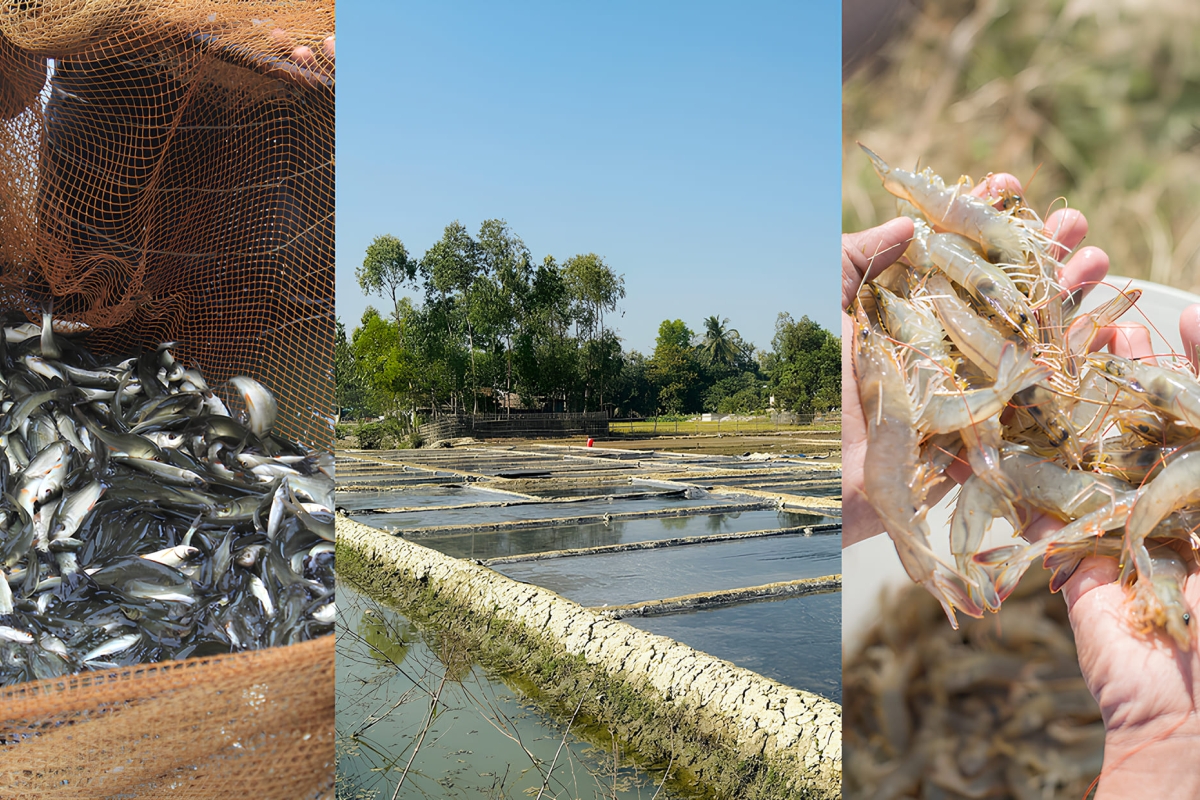
A closed-loop marine and freshwater farming system engineered to provide a reliable, climate-resilient source of animal protein. By combining advanced aquaculture techniques with local natural resources, we establish low-input, high-yield pond networks that stabilize food supply chains independent of wild-catch ocean fluctuations.
Why We Do It
Coastal overfishing and climate-driven coral bleaching are rapidly destabilizing traditional reef-based food supplies, leaving island communities vulnerable to protein scarcity. We are mitigating this ecological threat by building inland protein alternative security infrastructure, ensuring that the remote populations have a constant, weather-proof food source while alleviating destructive pressure on fragile coastal marine habitats.
How It Works
The project transforms underutilized inland water resources into controlled, highly productive ecosystems through a streamlined operational loop.
Sourcing
Fast-growing, resilient fish like Tilapia local tilapia and freshwater prawn species are introduced into scientifically optimized ponds that utilize organic agricultural bypass elements for natural feed.
Access
Regional hubs and schools enroll in a systematic supply network, securing scheduled, highly affordable protein allocations to guarantee consistent daily nutritional intake.
Distribution
Cultivated yields are harvested, ice-chilled, and routed through our localized "Weekly Box" logistics pipelines to minimize transit times and preserve absolute freshness.
Impact Indicators
Protein Biomass
12 Tons
Target annual fish yield per pilot cluster
Feed Circularity
85%
Alimentary inputs derived from organic waste
Price Protection
-40%
PaCost reduction compared to imported tinned proteins
Scientific & Community Governance
The "Integrated Aquaculture" network functions directly under the C.L.U.E.S. model, anchoring the physical maintenance, daily feeding regimes, and regional distribution rights inside the authority of local village councils.
Simultaneously, The Lab conducts continuous biochemical water monitoring and microbiological screening to ensure optimal ecosystem health, preventing contamination and guaranteeing an entirely chemical-free, nutrient-dense harvest.

Invest in Marine & Food Sovereignty
Partner with Flavor Islands to finance the expansion of decentralized protein infrastructure and shield vulnerable Pacific populations from oceanic climate shocks.