


Women’s Sovereignty: The Sewing Initiative
Category

Investment Required
Funding local micro-atelier construction
Projected Return
Secured by institutional apparel contracts
Overview
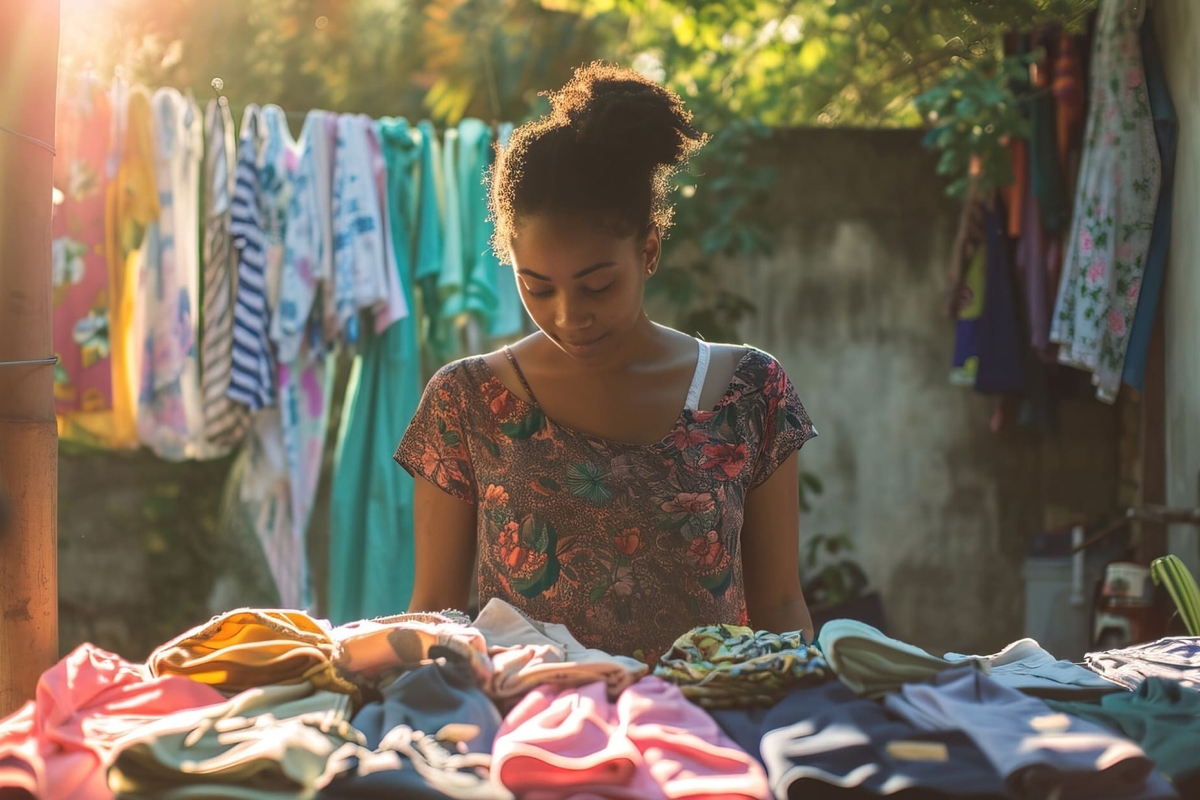
A decentralized textile manufacturing and economic empowerment framework engineered to foster localized financial independence. By establishing specialized micro-ateliers managed entirely by regional women’s collectives, the project upcycles fabric surpluses and processes durable raw textiles into high-demand products, including tailored apparel, artisan tourism merchandise, school uniforms, and eco-friendly structural packaging lines.
Why We Do It
Geographic isolation and restricted access to diversified revenue streams frequently leave rural women economically marginalized and vulnerable to external financial shocks. We dismantle this systemic disparity by providing the technical tools, vocational training, and supply-chain logistics , transforming traditional craftsmanship into a professionalized trade that secures stable household capital.
How It Works
The initiative establishes a self-sustaining manufacturing loop that converts raw fabric inputs into vital economic and community assets.
Sourcing
High-grade organic cotton, sustainable natural fibers, and upcycled textile waste are consolidated at regional ateliers to minimize raw material overheads.
Access
Local schools, agricultural cooperatives, and corporate partners establish structured purchase agreements, securing predictable, recurring volume orders for uniforms and textile packaging.
Distribution
Manufactured eco-textiles are distributed through established logistics networks, ensuring a steady, high-margin capital flow directly back to cooperative household accounts.
Impact Indicators
Economic Autonomy
+60%
Baseline artisan income increased
Production Volume
1,000 Units
Annual output per hub
Fabric Circularity
100%
Traceable organic material inputs
Scientific & Community Governance
The Women's Sovereignty sewing network functions as a core operational branch of the community-led development model, anchoring 100% of cooperative financial dividends, production vectors, and workspace governance directly within native, women-led committees.
Simultaneously, The Lab collaborates with the initiative by testing natural, plant-based botanical dyes for textile application, verifying biochemical safety and analyzing fiber tensile durability to elevate the "Made in Vanuatu" brand standard across global markets.

Invest in Social Sovereignty
Partner with Flavor Islands to finance decentralized textile micro-ateliers and unlock sustainable, women-led economic growth across the archipelago.